Paper Trails Through the Julian Alps

We explore handmade photo zines from the Julian Alps—minimal narratives shaped on 35mm and medium format—where altitude, silence, and patient craft meet on paper. Expect gentle sequences, restrained frames, and textures that honor the hand, inviting you to slow down, turn each page deliberately, and share your own responses, suggestions, and questions with our growing community of attentive image-makers.

Field Notes at Blue Hour

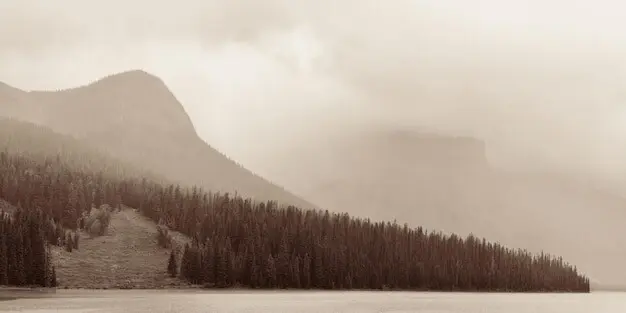
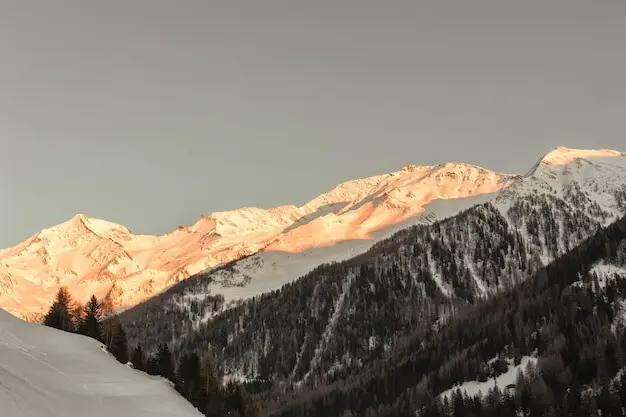
Before the villages wake, ridgelines trade shadows with low clouds, and small decisions become everything. Here, 35mm keeps pace with quick feet while medium format insists on stillness. The mountains reward both approaches, yet the quietest photographs often arrive between breaths, when the tripod settles, the meter calms, and intention meets the soft, cobalt air of the approaching day.

From Negative to Narrative

Contact sheets as cartography

Marking circles and crosses, you learn the terrain of your own thinking. A run of near-misses might reveal a better angle discovered two minutes later. Pencil notes about wind, altitude, or a shepherd’s advice transform frames into coordinates. By the time you pick three photographs, the route between them already suggests rhythm, scale, and the pause that turns paper into breath.

Learning to welcome subtraction

Marking circles and crosses, you learn the terrain of your own thinking. A run of near-misses might reveal a better angle discovered two minutes later. Pencil notes about wind, altitude, or a shepherd’s advice transform frames into coordinates. By the time you pick three photographs, the route between them already suggests rhythm, scale, and the pause that turns paper into breath.

Pacing with page turns

Marking circles and crosses, you learn the terrain of your own thinking. A run of near-misses might reveal a better angle discovered two minutes later. Pencil notes about wind, altitude, or a shepherd’s advice transform frames into coordinates. By the time you pick three photographs, the route between them already suggests rhythm, scale, and the pause that turns paper into breath.

Paper, Bindings, and the Human Hand
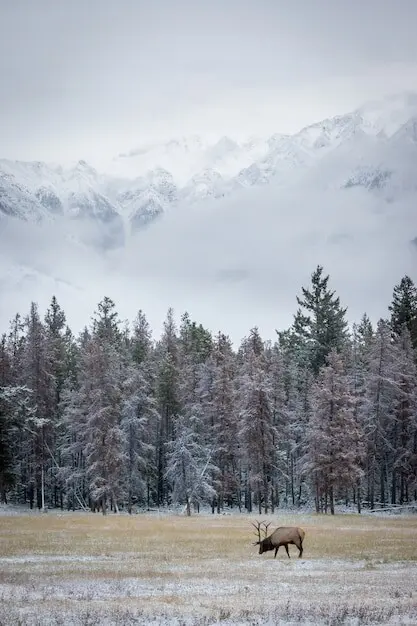
Material choices anchor quiet photographs to lived reality. Tooth, weight, and grain direct ink and light, while binding decisions shape how the body holds the book. A soft thread, a careful fold, and respectful trimming keep edges honest. Imperfect alignment becomes a signature, reminding readers that these pages were built slowly, not produced, and meant to be revisited gently.

Snow, sky, and monochrome subtlety

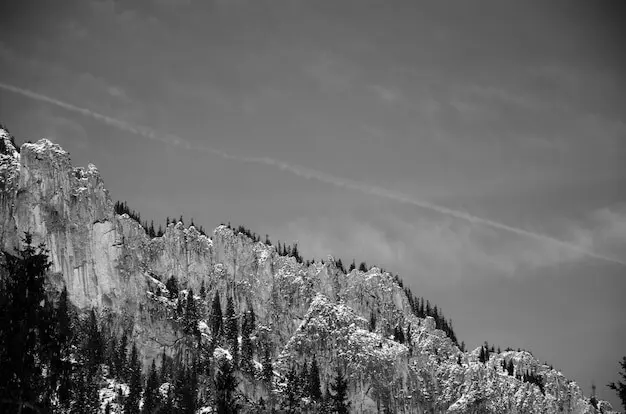
Open up a stop when the meter is fooled by white fields, and observe how yellow or orange filters separate clouds from pale granite. Develop gently to protect highlights, allowing texture to hold in drifts. Grain becomes winter’s breath, and contrast should never bully the quiet. Seek lines that guide, shadows that invite, and midtones that carry tenderness across cold pages.

Muted color among larches and limestone

Under soft cloud, Portra yields forgiving skin for mountain huts and warm needles in late season. Ektar sings when sun returns, but watch saturation against delicate paper choices. Color should support restraint, not dazzle. Consider underexposing by a third for density, and print with a calm profile. Let moss, tea steam, and slate roofs become low notes beneath the turning pages.

Metering when clouds hurry

Spot meter off a midtone rock or weathered wood, lock exposure, and wait for the passing break. Bracket lightly if a scene feels uncertain, but trust familiarity more than fear. When fog opens briefly, do not chase complexity; protect the simple subject that appeared. Consistency in approach will stitch separate frames into one walk the reader can feel in sequence.

Scanning, Printing, and Productive Imperfection

Translating negatives into pages asks for care without sterility. Clean scans, truthful tones, and restrained sharpening protect quiet detail. Riso’s grain can echo wind, while inkjet preserves nuance; each offers different kindness to minimal sequences. Embrace small registration shifts, human trims, and gathered thread tails as proof of presence, giving the finished booklet a living, personal cadence.

Handling 35mm and 120 with respect

Dust with intention, invert with a gentle curve, and avoid overcorrecting the valley’s cool shadows into something generic. Stitch panoramas only when the story demands width. Keep borders consistent so readers trust your hands. Archive master scans, then make print-ready copies that favor paper realities over backlit screens, because the zine lives where fingertips guide light across quiet surfaces.

Riso texture versus inkjet subtlety

Riso loves high-contrast shapes and accepts a little chaos as character; its dots carry wind and pine resin. Inkjet rewards micro-tones, snow gradations, and faint rain. Choose based on the sequence’s heart, not fashion. Proof both methods on final paper stocks, then invite a friend to read slowly. Their breathing will tell you which surface keeps the story attentive.

Routes, Refuges, and Responsible Footsteps

Stay on marked trails, carry litter down, and photograph with care around nesting ledges and alpine flowers. Silence near huts keeps mornings kind for others. Minimal storytelling aligns with minimal trace: take fewer frames, consider deeper, and publish without encouraging harmful traffic. Add a note inviting readers to learn local guidelines, turning pages into an ongoing practice of care.
A hut warden once served mint tea while film thawed from a cold pocket, explaining how ravens predict afternoon gusts. Stories like these anchor images in the living present. Include a line or two of remembered advice within captions, honoring voices that hold the mountains wisely. Such acknowledgments turn photographs into conversations rather than trophies carried back to town.
Keep captions sparse and factual, noting season, altitude when helpful, and film stock only when it clarifies intention. Credit helpers generously, from scanner mentors to bindery friends. Avoid heroic language; let quiet facts support the reader’s breathing pace. A humble colophon, hand-numbered, completes the circle of gratitude that began where the path met cloud and soft rock.

Sharing, Swaps, and a Gentle Invitation
A small edition can travel far through thoughtful hands. Announce releases to newsletter readers who value slowness; invite swaps with other makers; and encourage letters describing how pages felt when turned by morning light. This community carries work across borders without shouting, allowing the Alps to arrive in kitchens, studios, and backpacks, one considerate envelope at a time.
Nilolaxizentokiralentozori
Privacy Overview

This website uses cookies so that we can provide you with the best user experience possible. Cookie information is stored in your browser and performs functions such as recognising you when you return to our website and helping our team to understand which sections of the website you find most interesting and useful.