Quiet Frames, Vast Peaks
Step beneath the dark cloth and join a journey where patience meets precision. Today, 4×5 Film Minimalism: Sparse Mountain Compositions in the Julian Alps guides every choice, from careful footwork to measured breath. We’ll celebrate negative space, whispering ridgelines, and elemental light, favoring restraint over spectacle. Expect stories, practical insights, and invitations to engage, as each sheet of film becomes a deliberate conversation with altitude, weather, and silence.
Framing Silence on a Ground Glass
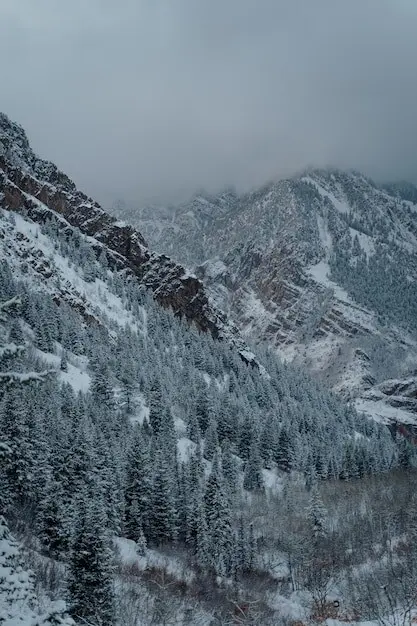
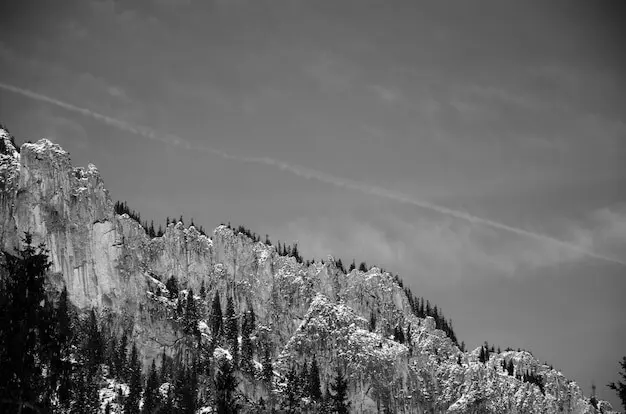
Minimalism begins long before the shutter closes, when the image is still upside down and glowing faintly on the ground glass. In the Julian Alps, sparse compositions emerge through subtraction: a single ridge, a patch of snow, a lone larch. The camera’s slow ritual disciplines impatience, turning wandering thoughts into measured lines. By honoring stillness, we reveal a mountain’s quiet geometry and let emptiness carry meaning rather than merely fill space.
Light, Weather, and Negative Space
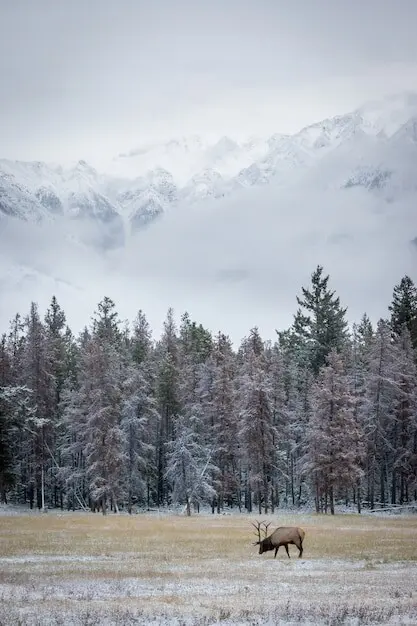
The Julian Alps receive moods from the Adriatic and continental Europe, a dialogue of mists, bora winds, and crystalline mornings. Minimal frames thrive when light is patient, weather diffused, and spaces invite attention rather than clutter. Negative space is not emptiness; it is the stage where small forms speak distinctly. By courting subdued transitions and delicate shadows, we allow the mountains’ quiet voice to emerge without raising its volume.
Lenses, Film Stocks, and Exposure Choices
In the discipline of 4×5, gear is a vocabulary for restraint. A 90, 150, or 210 millimeter lens each shapes space differently, and minimal compositions benefit from honest rendering over spectacle. Film choice guides atmosphere: the pliant latitude of Portra, the poised grain of FP4+, the nuanced shoulder of HP5+. Exposure decisions, reciprocity awareness, and careful development—N-1 or gentle agitation—translate quiet scenes into negatives that hold whispers without crushing them.
Wide lenses invite the sky to speak too loudly; longer lenses compress stories into elegant statements. For sparse alpine frames, the 150 often feels like a handshake, respectful and honest. The 90 can exaggerate emptiness if used with discipline, letting vast silence occupy foregrounds. A 210 distills distant ridges into calligraphy. Rather than chasing novelty, consider which focal length expresses the gesture cleanly and leaves distractions outside.
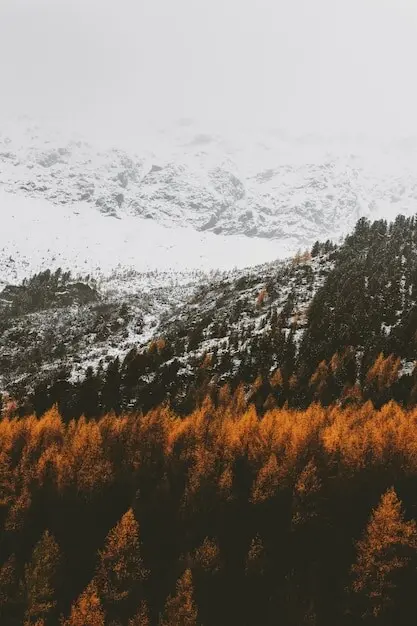
Minimalism thrives on tonal sensitivity. FP4+ renders snowfields with poised midtones, while HP5+ grants forgiving shadows that still sing. Color stocks like Portra open subtle blues and delicate mountain warms without shouting. Grain becomes a texture of breath, not a flaw, when exposure is generous and development is patient. Judge scenes for gentle contrast, aiming for negatives that print with grace, where the quietest gradations feel confidently present.
Compositional Restraint on Alpine Ridges
Restraint is not austerity; it is care. Along ridgelines in the Julian Alps, restraint means letting a single curve lead the eye, keeping overlaps clean, and tilting the lens only when planes truly require it. Movements are subtle: a whisper of front tilt, a gentle rise to protect the horizon, a swing measured against simplicity. The frame becomes a vessel for calm, where every millimeter earns its presence deliberately.
Before any negative reaches trays or scanner glass, edit with your feet. A half-step left can separate peaks; a crouch can erase a cluttered scree slope. Use the ground glass corners to police intrusions ruthlessly. Work from the center outward, asking each edge to carry intention. The camera’s slowness is permission to refine. When only essentials remain, stillness settles, and the mountain’s line reads like a thoughtful sentence.
Minimal frames read as architecture shaped by wind. Consider where planes meet—snow against rock, rock against sky—and grant them breathing room, a margin where the eye can rest without collision. Lines should introduce, not overwhelm. Let a plane expand into negative space so the viewer senses altitude without counting details. Balance weights across the frame by intuition refined through practice, until emptiness feels structured, not accidental or bare.
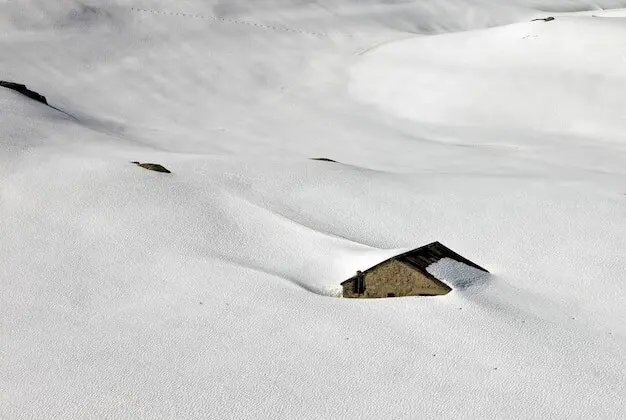
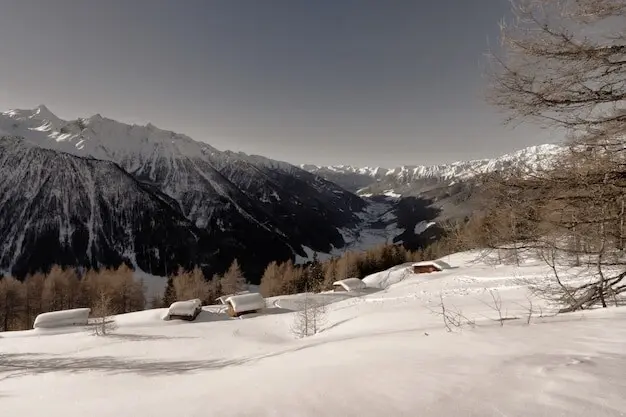
Scale is a whispering secret, not a shouted statistic. A tiny hut on a far shoulder, a track stitched into snow, or a lone larch becomes the measure of immensity. Include only one cue and let everything else recede. When scale rests on a single indicator, the emptiness grows eloquent. Resist adding multiple references, which dilute power. Let vastness be sensed through restraint, so the alpine breath fills the viewer quietly.
Field Workflow and Slow Craft
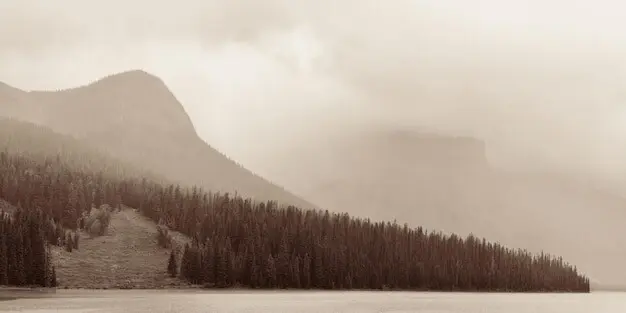
Minimalism is supported by method. Organize holders by exposure index, label development plans, and use checklists that protect focus under fatigue. The Julian Alps reward redundancy—spare cable release, extra layers, a headlamp even on bright days. Slow craft turns potential chaos into room for contemplation. When logistics hum gently in the background, attention is free to notice one cloud tapering into a ridge line and hold it carefully.
Stories from the Julian Trails
Beyond techniques lives memory: quiet mornings near Triglav, wind-fretted evenings above Trenta, and blue hours slipping through Vršič. Sparse compositions arose not from deprivation but from noticing what remained after hurry dissolved. These stories keep craft humane, anchoring decisions in lived moments. Share your own, and ask questions. Community forms where experiences echo, and the mountains’ patient cadence helps our photographs breathe with earned simplicity.
All Rights Reserved.