Silver Light Over Stone and Snow
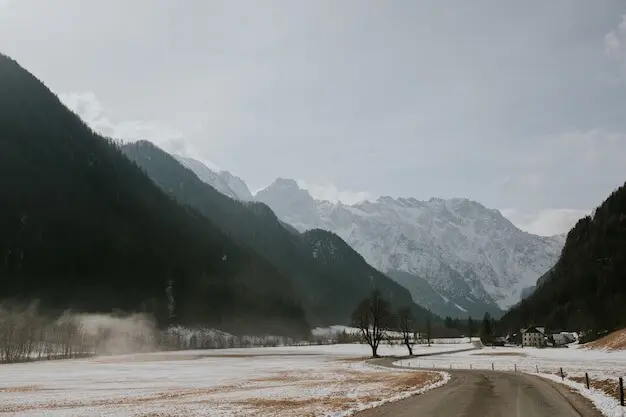
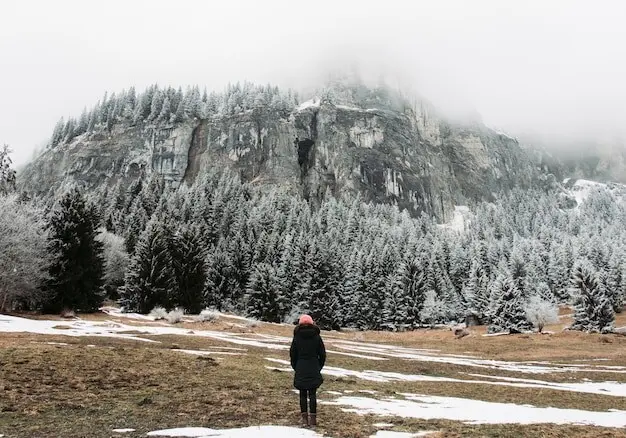
Step into Black-and-White Film Studies of Snow and Rock in the Julian Alps, exploring how emulsion, light, and weather converge to sculpt photographs that feel both ancient and immediate. We will unravel exposure in blinding snow, preserve texture in limestone, and share field notes from Triglav to Vršič. Expect practical techniques, compelling anecdotes, and darkroom interpretations that respect the mountains’ quiet drama. Share your contact sheets, ask questions, and help others learn as we build a living archive of thoughtful alpine monochrome work.

Taming Alpine Brightness: Exposure with Confidence

Snow and limestone trick light meters, creating negatives that either choke in blocked highlights or drown in flat midtones. Here we translate alpine luminosity into dependable densities, balancing delicate brilliance against hard shadow. Expect clear steps, honest mistakes, and the why behind each decision, so you can handle noon glare, veiled cloud, and cobalt twilight without sacrificing detail or feeling rushed by the wind.

Emulsions for Edge, Grain, and Glow

Not all monochrome film carries snow’s brilliance and limestone’s pores the same way. Some emulsions render a tender, pearly shoulder that flatters high values; others punch through weather with gritty confidence. We compare FP4, HP5, Tri-X, Pan F, and T‑Max stocks, consider developer pairings, and weigh 35mm agility against medium format presence when your breath already feels too heavy on steep switchbacks.

Fine-Grain Clarity for Icy Texture

FP4 and Pan F reward careful exposure with crisp granite edges and crystalline snow sparkle, especially when paired with Rodinal or perceptual acutance developers. On Triglav’s north flanks, subtle rime patterns appear delicate yet legible. Guard highlights fiercely; slight overexposure still prints beautifully. When the air clears after squalls, these films translate the quiet into negatives that invite contemplative, nuanced printing sessions.

Pushable Grit for Weather and Movement

HP5 and Tri-X absorb storms with spirited latitude, pushing cleanly for wind-whipped spindrift or moving clouds over Krn. In Microphen or HC‑110, their grain feels assertive without overwhelming snowy delicacy. Meter for the shadows you truly need, accept rugged midtones, and let expressive grit reinforce the day’s urgency. Your boots remember the slip; the negative should too, honestly and fearlessly.

Choosing Format for Weight and Presence

A 35mm body keeps pace on icy traverses, capturing fleeting breaks in cloud. Medium format grants generous tonality and calmer grain, singing in prints above sixteen inches. Large format yields breathtaking separation but taxes lungs and legs on Mangart’s approach. Decide before dawn: which compromises help you finish the climb, keep fingers warm, and still deliver a print that carries the mountain’s breath?

Lines, Silence, and Scale Among Limestone Ridges
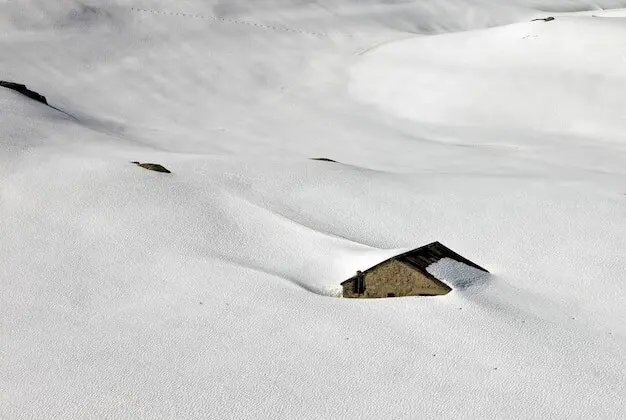
Composition here is less about decoration, more about listening to the way snow wraps stone and carves space. Lines arrive as switchbacks, cornices, and runnels, while silence occupies the blank expanses of white. We chase scale by introducing a figure, a hut, or a tree line, and accept that minimalism sometimes speaks louder than intricate detail when weather erases every familiar cue.

Tracks, Cornices, and Carved Drainage as Guides
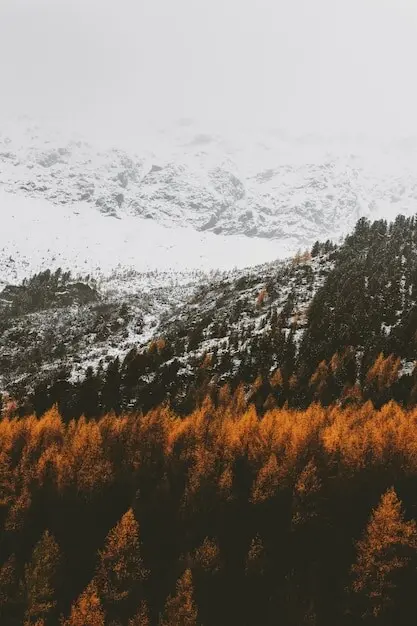
Fresh skin tracks over Blejska Koča’s approach create sinuous guides that invite the eye toward distant pinnacles. Cornices along ridgelines reflect light like porcelain, while meltwater runnels score limestone with decisive, rhythmic marks. Place these lines diagonally to energize calm frames. Let negative space breathe, and allow a single, confident curve to carry viewers across an image without theatrical distraction.

When the Sky Becomes Paper: Minimal Winter Frames

In whiteout conditions, horizons vanish and the world simplifies into paper and ink. Reduce elements until only a ridge, a cairn, and soft texture remain. Meter meticulously to preserve whispering tone steps in the snow. Embrace intentional under-framing that suggests boundless space. Later in the darkroom, tiny dodges can separate breath from emptiness, honoring the day’s hush without resorting to melodrama.

Keeping Cameras Alive in Knife-Edge Cold
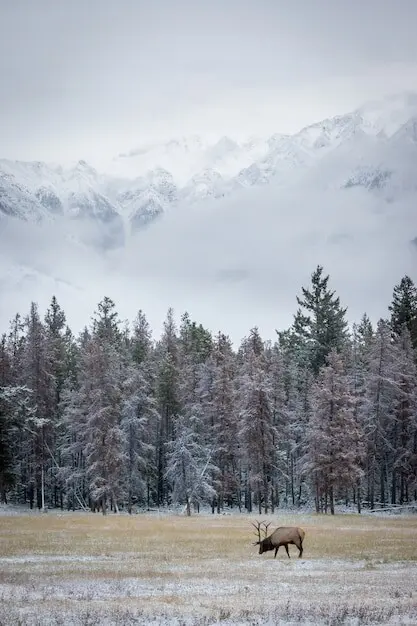
Fieldcraft preserves both images and fingers. Cold robs batteries, fogs optics, and stiffens seals. Smart packing, layered gloves, and deliberate routines protect fragile focus helicoids and your patience alike. Before the climb, rehearse lens changes with mitts; after, shelter gear so crystals cannot invade shutters. The goal is simple: arrive home with stories, intact negatives, and energy to print them well.

From Negative to Narrative in the Darkroom

Alpine negatives demand empathetic printing. Split-grade strategies hold white brilliance while revealing limestone pores. Dodging preserves breath around ridges; burning gestures carve valleys from gray. Selenium or subtle thiourea toning adds permanence and nuance, echoing cold air’s metallic whisper. Whether you scan or enlarge, lead with intention, respect the day’s weather, and let the paper recount effort, silence, and relief.

Paths Through the Julian Alps: Notes from the Field
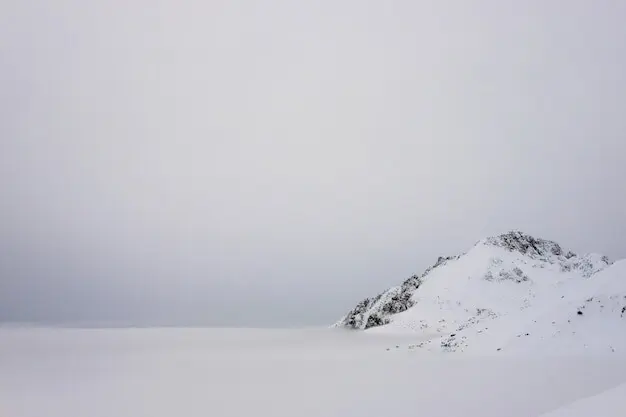
Place matters. Triglav’s commanding faces, Vršič’s switchbacks, Mangart’s amphitheater, and the quiet shelves above Pokljuka all shape mood and method. We honor local rhythms, respect closures, and leave no trace. Each short account pairs location with film choice, exposure strategy, and a small moment of luck, because the best alpine photographs begin in humility and end in careful attention.

Share, Learn, and Return to the Mountains Together

This work grows stronger in community. Post contact sheets, developer notes, and location insights, and invite critique that stays kind and specific. Subscribe for monthly assignments, safety reminders, and print walks. Ask questions, answer generously, and celebrate experiments that fail bravely. The Julian Alps will be here tomorrow; our shared learning ensures we arrive with better eyes and warmer hands.

Contact Sheets and Honest Notes

Upload scans of marked contact sheets with exposure placements, filters used, and weather descriptions written plainly. Share the frame that failed and explain why, so others can learn faster. If you prefer darkroom prints, photograph them evenly and include paper, developer, and toning details. Clarity builds trust, and trust builds a body of work that carries collective wisdom upward.

A Monthly Alpine Assignment

Each month, we propose a simple challenge, like documenting one ridge three ways: minimalism in whiteout, texture in side light, and narrative with a human scale. Submit by the last Sunday, add your process notes, and reflect on lessons learned. Standings are informal, feedback is thoughtful, and small surprises sometimes arrive by mail to keep your creative fire warm.

Stewardship, Safety, and Gratitude

Photography follows mountaineering’s ethics: check forecasts, respect closures, leave no trace, and put people before pictures. Share route conditions responsibly and avoid revealing sensitive wildlife locations. Thank local guides, hut keepers, and trail workers in your captions. The resulting photographs feel richer when gratitude frames the work, reminding us the mountain’s gifts are borrowed, cherished, and returned with care.
Nilolaxizentokiralentozori
Privacy Overview

This website uses cookies so that we can provide you with the best user experience possible. Cookie information is stored in your browser and performs functions such as recognising you when you return to our website and helping our team to understand which sections of the website you find most interesting and useful.