Analog Essentials for Slow Alpine Travel in the Julian Alps
Choosing the Right Topo Map
Mastering Compass Bearings in Karst Terrain
Quiet Hours, Changing Skies
Barometric Altimeter Watch Maintenance
Cloud Types Over Triglav and Friends
Choosing a Mechanical Camera for Cold Mornings
Favorite 35mm Films for Limestone Landscapes
Sketching Techniques to Anchor Memory
Pack Less, Feel More
Layering for Elevation Swings on Vršič and Beyond
Start with a merino base, add a wind shirt for the passes, and carry a light synthetic puffy that tolerates mist. A compact rain shell protects during afternoon pulses while pocket-gloves and a thin beanie manage summit breezes. Choose breathable pants that shrug off brush and dry fast after creek hops. Keep socks rotating to protect skin. Note what combinations worked on specific passes in your notebook. Share your favorite three-layer system that keeps movement easy across sun, shade, and spindrift.
A Quiet Cooking Setup That Respects Mountain Huts
In a region rich with hospitable huts, cooking becomes an occasional meadow ritual rather than a daily obligation. A simple alcohol stove, windscreen, and a titanium mug make tea or a gentle meal when you camp away from buildings and trails. Keep fuel contained, flames low, and cooking far from sensitive vegetation. Many nights, buy dinner and listen to stories instead. If you carry only one utensil, which do you choose and why? Suggest respectful practices that future visitors can adopt.
Water Sourcing Along the Soča Headwaters
Karst springs run clear yet can shift with storms, so plan fill points and carry modest capacity between them. Treat reliably with tablets or a compact filter, and check hut notes for seasonal availability. In dry spells, set conservative margins and sip steadily. Mark dependable troughs on your map for future trips. Avoid washing in springs; carry water away to clean cookware. Let us know where you found trustworthy flow during late summer, and how you adjusted your route to match resources.
An Analog Emergency Plan That Actually Works
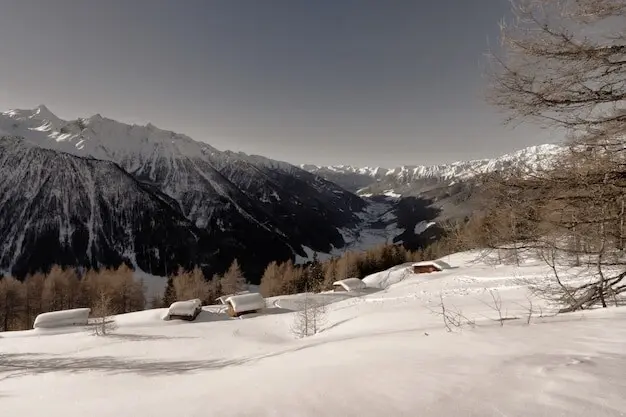
Reading Rock and Snow Conditions with Your Senses
Practicing Karst-Friendly Leave No Trace Habits
All Rights Reserved.